
If you feel like technology moved fast this year, you are not imagining it. 2026 has been a year where a few big themes kept showing up again and again: artificial intelligence in almost everything, phones and computers getting smarter assistants built in, and a lot of questions about privacy and safety online.
Here is a simple rundown of what mattered most, in plain English.
AI went from a feature to the main event
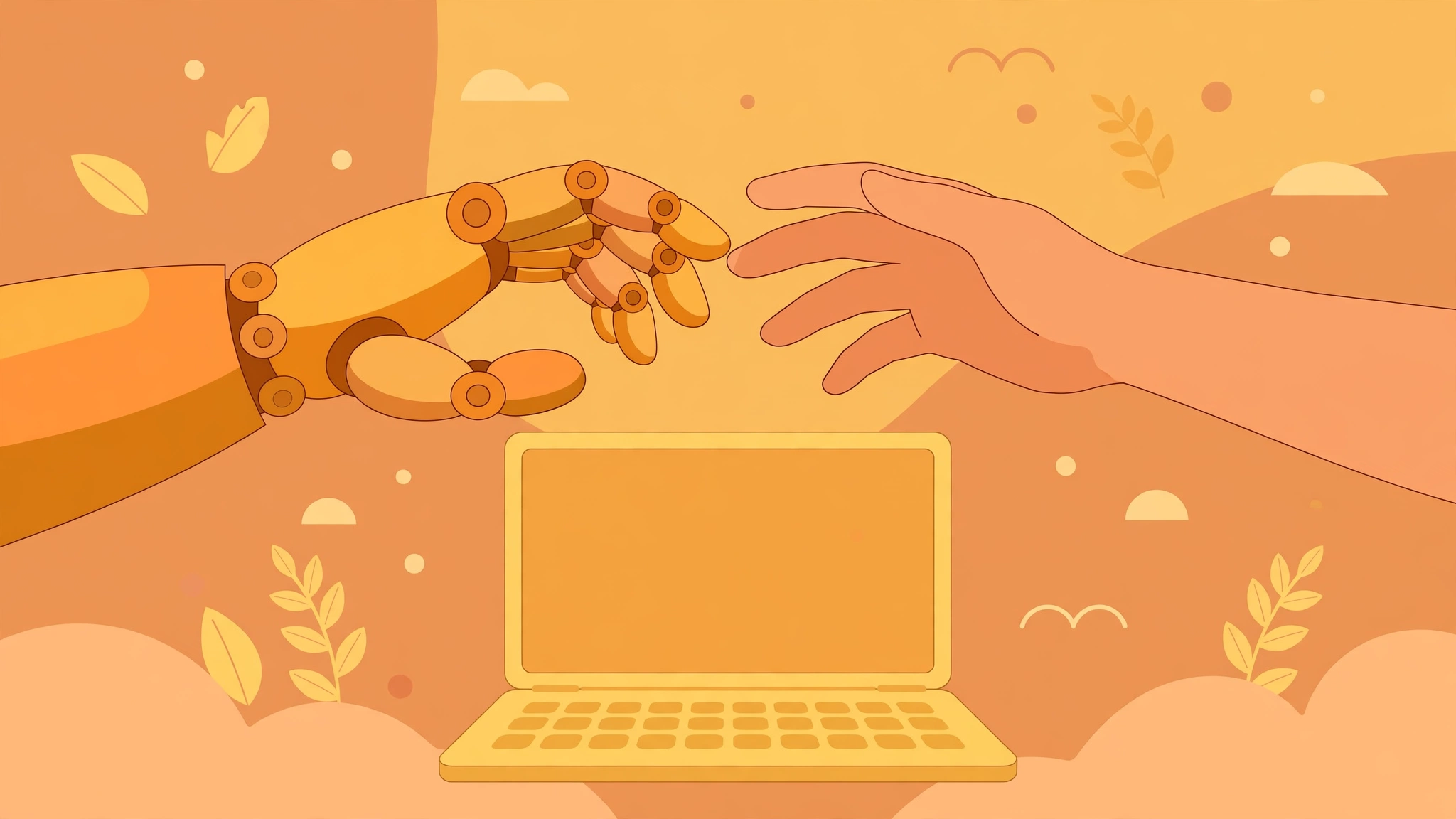
The biggest story of the year is simple: AI stopped being a separate app you open on purpose and started living inside the tools you already use. Your phone, your email, your word processor and your web browser now come with an AI assistant built in. You can ask it to write a draft, summarize a long article, or find the photo you took last summer.
The big companies have spent the year racing each other. Google has pushed its Gemini assistant deeper into Android and Search, Microsoft has kept building Copilot into Windows and Office, and Apple has continued adding Apple Intelligence features to the iPhone, iPad and Mac. The result is that most people now use AI every day without really thinking about it.
That also means the questions got bigger. People are asking what happens to their data when an assistant reads their emails, who owns AI-generated work, and how to tell what is real from what is made by a machine. Those questions are not going away.
Phones and laptops: smarter, not just faster
New phones this year have not been about a revolutionary new shape. They have been about better cameras, longer battery life, and AI features that actually help: removing a stranger from a photo, translating a conversation in real time, or summarizing a voice memo.
Foldable phones kept getting better too, with thinner designs and fewer visible creases, and more people are starting to take them seriously as a daily phone instead of an expensive experiment.
Laptops followed the same pattern. The new generation of Windows laptops and MacBooks is built around AI tasks: they can run assistants and image tools on the device itself instead of sending everything to the cloud. For a normal user that means faster answers and, in theory, better privacy, since less of your data leaves your computer.
The internet is getting stricter about safety
Another big theme of 2026 has been online safety. More countries have pushed for age checks on some websites, and the big platforms have added more tools to spot fake accounts, scams and AI-generated images. If you have noticed more warnings, labels on AI content, or extra steps when you log in somewhere new, that is why.
At the same time, data breaches have kept making headlines. It is a good reminder that the basics still matter most: strong passwords, two-factor authentication, and thinking twice before you click a link in a message.
What this means for you
You do not need to follow every announcement. What matters is the direction: your devices are becoming assistants, not just tools. The best move is to learn one or two AI features that genuinely save you time, keep your software updated, and stay a little skeptical of anything that looks too good to be true online.
If your website feels slow while all of this changes, remember that the technology behind it matters too — a good web hosting setup is what keeps a site fast and online while the rest of tech keeps moving.
The rest of 2026 will probably bring more of the same: smarter assistants, more AI in everyday apps, and more rules about how it all works. We will keep explaining it here, one simple article at a time.
Links in this article go to each provider's official website. We do not earn a commission from them yet.
Leave a Reply