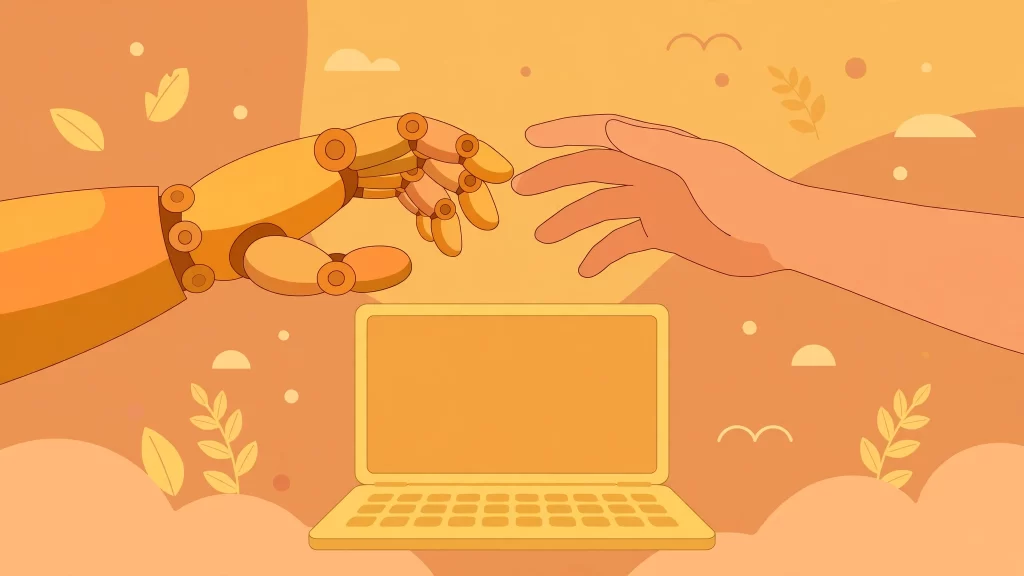
If you only remember one thing about technology in 2026, make it this: AI is no longer a novelty. It is now part of the everyday tools millions of people use to work, study and create. Here is what is actually happening, explained without the hype.
AI assistants are everywhere now
A couple of years ago, using AI meant opening a special website and typing a prompt. In 2026, the assistant comes to you. It lives in your phone, your email inbox, your documents and your search results.
Ask your phone to summarize a long email thread and it does it in seconds. Start a document and the word processor offers to draft the first paragraph. Search for something and you get a direct answer at the top of the page instead of ten blue links. That is the biggest change of the year: AI became invisible, built into things you already use.
The main players are the names you already know. OpenAI keeps improving ChatGPT, Google keeps pushing Gemini across Android and Search, and Microsoft keeps building Copilot into Windows and Office. Each one is trying to be the assistant you reach for first.
AI that makes things: images, video and music
Writing was only the beginning. In 2026, AI tools that create images and video have become good enough for real work. Small businesses use them for social media posts, teachers use them for classroom materials, and creators use them to make videos without a camera crew.
That is great news for anyone with an idea but no budget. It also raises a real question: when anyone can create a realistic photo or video of something that never happened, how do you know what is real? The big platforms have started adding labels and watermarks to AI-made content, and that trend will only grow.
AI at work: help, not replacement
One of the loudest debates this year is whether AI will take jobs. The honest answer so far is more boring than the headlines: AI is mostly taking over the repetitive parts of jobs, not the jobs themselves. It drafts the first version, summarizes the meeting, organizes the spreadsheet — and a human still checks, decides and talks to the customer.
The people getting the most out of AI in 2026 are not the ones who know the most about technology. They are the ones who learned to ask it good questions and to check its answers. A good habit is simple: use AI for the first draft, never for the final word.
The rules are catching up
Governments around the world spent 2026 writing rules for AI: what companies must disclose, how personal data can be used to train AI models, and who is responsible when AI makes a mistake. The rules are different in every country, but the direction is the same — more transparency, and more protection for regular people.
For you, the practical takeaway is small and useful: check the privacy settings of the AI tools you use, do not paste sensitive personal information into a chatbot, and remember that an AI answer can sound confident and still be wrong.
Where to start if you are curious
You do not need to learn everything. Pick one task you do often — writing emails, making social media posts, organizing notes — and try one AI tool for that task for a week. If it saves you time, keep it. If it does not, drop it and move on.
If you want a deeper look at the tools themselves, our friends over at AI Tools for Creators keep an updated list of the best AI tools for creators, tested and compared.
AI in 2026 is less about robots and more about a quiet helper inside your phone and computer. Learn to use it well, stay skeptical of what it tells you, and it becomes a genuinely useful tool instead of a confusing trend.
Links in this article go to each provider's official website. We do not earn a commission from them yet.
Leave a Reply